
1. Knowing what your barriers are
Before you can overcome your barriers, you first need to know what your barriers are. "What barriers do I have?" or "What has stopped me from achieving my goal in the past?" These are some questions you can simply ask yourself to help you find out what your barriers are. Once you have found those barriers, write them down!
2. Set a game plan
Once you find out what your barriers are, the next step is to find out how you can overcome these barriers. Write out some idea and put them into practice. It's one thing knowing what your barriers are, it's another to do something about it. For example: Your barrier may be working long days so you don't have time to train. First thing to do is know what time you start and finish, what time you wake up to get ready for work and the time you need to leave for travel to and from work. Figure out what you do throughout the week to help determine what day and time you have "free" time. Planning your week can help you notice that you can fit exercise in, after all you do have 189 hours in a week!
3. Tell your trainer what your barriers are
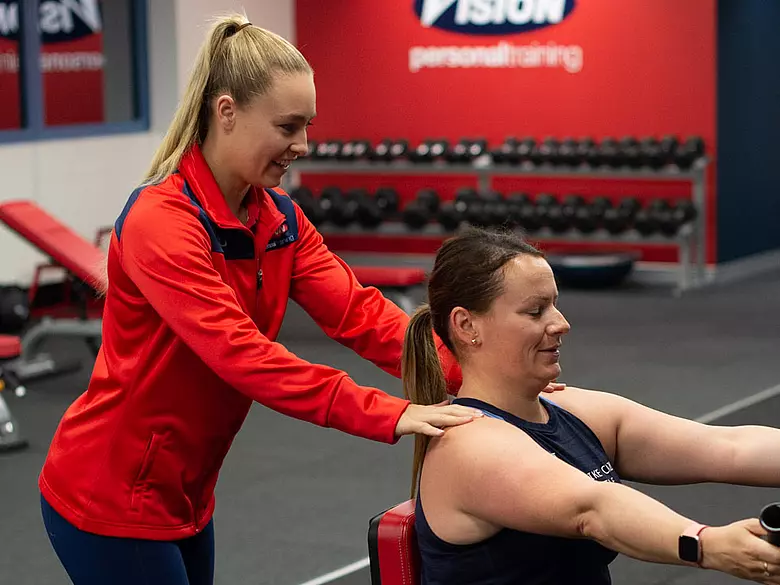
Telling your trainer about your barriers will allow your trainer to know where they can help you the most. As trainers, our job is to get you the best results, we can't do that if we don't know where your weaknesses are. Together we can then work on how we can overcome these.
So, next time your trainer asks you "What are barriers do you have?" Don't say that you don't have any. Find them, create an action plan and overcome your barriers.
*Disclaimer: Individual results vary based on agreed goals. Click here for details.