Summary
Menopause affects every woman, but the changes it brings to energy, sleep, mood and weight can be noticeable through food and eating habits.
Meals that once felt balanced no longer seem to work the same way. Cravings feel stronger. Fatigue lingers. Weight gain can shift despite best efforts.
For many women in this stage of life, this leads to confusion, frustration and a sense that their body is working against them. Nutrition advice online often adds to the overwhelm, focusing on restriction rather than support, and rarely explaining how hormonal changes actually affect the way the body uses food.
This article explores nutrition during menopause with a clear and compassionate lens.
It explains what is happening inside the body, which foods can support energy and symptom relief, which habits may be making things harder, and how nutrition, strength training and targeted supplementation can work together during this stage of life.
The aim is not perfection or control. It is understanding, confidence and a way of eating that helps you feel strong, steady and supported through this change.
Key Topics
How hormonal changes during menopause affect energy, sleep, mood and weight
Why nutrition needs change during perimenopause and menopause
The best foods to support menopause symptoms and daily energy
Foods and habits that may worsen fatigue, bloating or hot flushes
A simple daily eating framework that supports hormonal change
The role of strength training and evidence-based supplements during menopause
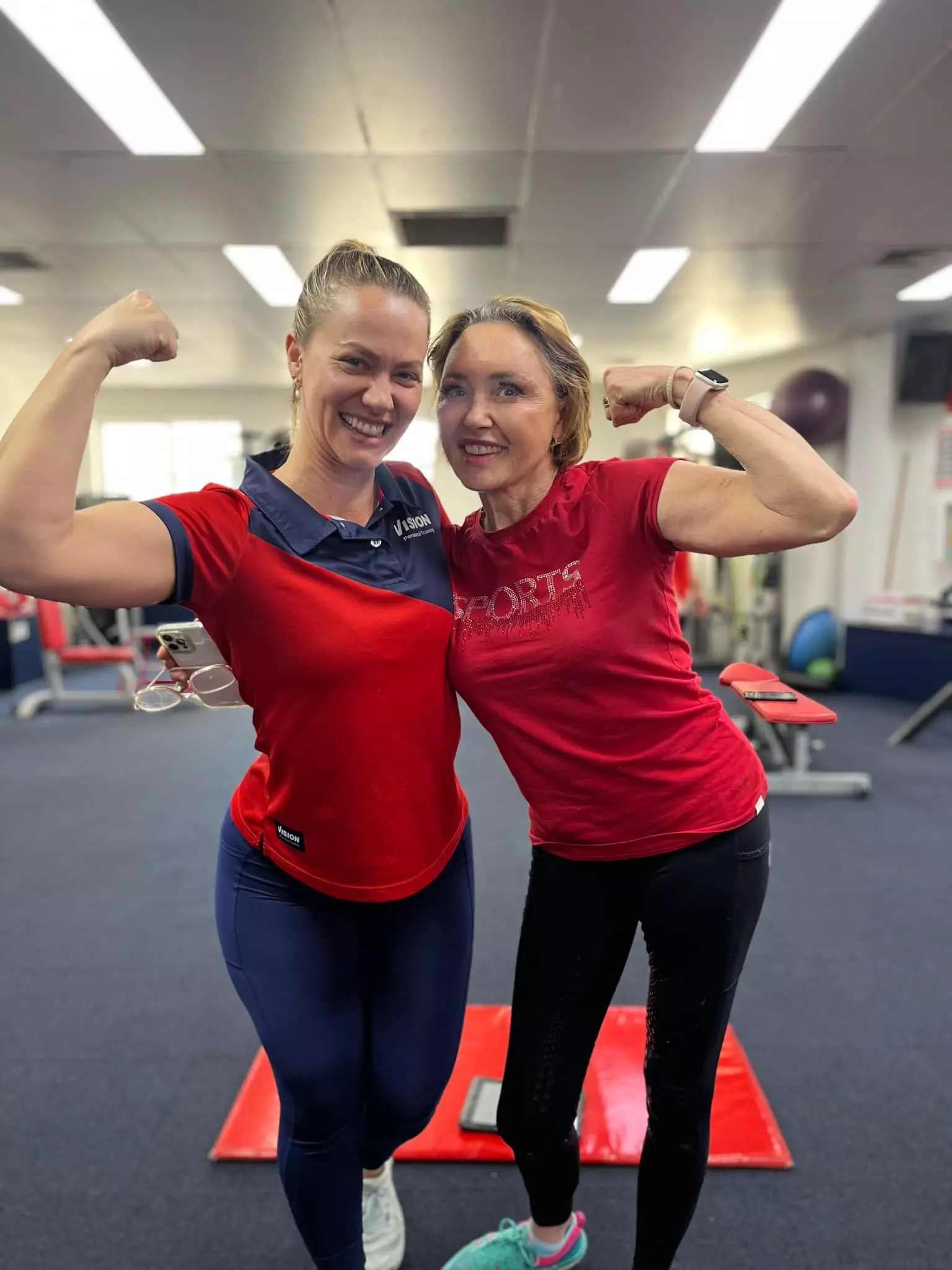
How Vision Personal Training and the strongHER program support women through this transition
What Happens to the Body During Menopause
Menopause is a hormonal transition that affects far more than reproductive health. As women move through perimenopause and menopause, levels of estrogen, progesterone and testosterone gradually decline, and these shifts influence how the body uses energy, builds muscle, stores fat and recovers from stress.
Estrogen plays a key role in blood sugar regulation, muscle maintenance, bone density and brain function. When estrogen levels fall, many women notice changes in energy, increased fatigue and a greater tendency to store fat around the abdomen. This is often referred to as menopause belly fat, but it is not caused by eating too much or moving too little. It is a biological response to hormonal change.
Progesterone, which has a calming effect on the nervous system, also declines during this stage. As levels drop, sleep can become lighter and more fragmented. Poor sleep then affects appetite regulation, cravings and mood, creating a cycle where energy feels low and food choices feel harder to manage.
Testosterone, although present in smaller amounts in women, supports muscle strength, motivation and metabolic health. As testosterone levels reduce with age, muscle mass becomes easier to lose unless nutrition and strength training are prioritised. This loss of muscle can further slow metabolism and impact overall body composition.
Together, these hormonal changes affect how your body responds to food. Blood sugar becomes more sensitive to large carbohydrate loads. Protein needs increase to protect muscle and support recovery. Bone density requires more intentional support through nutrition and resistance training. Hydration also becomes more important, as even mild dehydration can worsen fatigue, joint discomfort and cognitive function.
This is why nutrition during menopause is not about eating less or cutting foods out. It is about eating in a way that supports hormonal change.
What worked in your thirties may no longer deliver the same results, not because you are doing anything wrong, but because your body has different needs.
Menopause experts in this field such as Dr Louise Newson and Dr Mary Claire Haver consistently explain that menopause related changes in weight, energy and appetite are driven by hormonal and metabolic shifts, not a lack of perceived willpower.
Declining estrogen affects how the body regulates blood sugar, stores fat and maintains muscle, which is why many women experience fatigue, increased cravings and changes in body composition even when their eating habits have not changed. When women understand that these changes are physiological, the focus can move away from frustration and self-blame toward support, structure and smarter nutrition strategies.
One area where this becomes especially important is protein intake. Research and clinical experience show that women in menopause often under consume protein at the very time their bodies need it most. Adequate protein supports muscle preservation, satiety and blood sugar stability, all of which become more challenging as hormones shift. This is why understanding protein quality and intake matters during menopause, as outlined by Dr Mary Claire Haver in her article on complete versus incomplete protein becomes increasingly relevant and vital during this stage of life.
At Vision, we see this pattern every day. Women often feeling confused by sudden changes in energy, sleep and weight despite maintaining the same habits for years. Once nutrition, movement and recovery are aligned with hormonal changes, symptoms become far more manageable and food begins to feel supportive again rather than restrictive or overwhelming.
Understanding what is happening inside your body is the first step toward making confident, informed choices about food during menopause.
Best Foods to Support Energy and Symptom Relief
During menopause, nutrition plays a key role in supporting energy levels, managing symptoms and protecting long term health. The goal is not restriction or perfection, but consistency and nourishment that works with hormonal change rather than against it.
From our Menopause seminars that are run throughout the year at our studios, we focus on presenting on a small number of foundational nutrition priorities that have the greatest impact during this stage of life which we want to share below.
Protein as a Priority
As estrogen levels decline, the body becomes more prone to losing muscle mass. This affects strength, metabolism, energy levels and overall resilience.
Protein intake becomes essential during menopause to support:
Muscle maintenance
Metabolic health
Satiety and appetite control
Recovery from training
Examples of protein rich foods include:
Eggs
Greek yoghurt and cottage cheese
Chicken, turkey and lean red meat
Fish and seafood
Beans, lentils and legumes
Including a source of protein at each meal helps stabilise blood sugar and reduce energy dips across the day. This is especially important for women who notice increased fatigue or cravings.
Fibre Rich Foods for Gut and Metabolic Health
Fibre plays an important role in digestive health, blood sugar regulation and overall metabolic function during menopause.
A diet rich in fibre supports:
More stable energy levels
Improved digestion
Better appetite regulation
Examples of fibre rich foods include:
Vegetables such as leafy greens, broccoli and carrots
Fruits such as berries and apples
Whole foods like oats, brown rice and legumes
We encourage a focus on vegetables and whole food sources of fibre as a daily habit rather than a short term strategy.
Hydration Target of Two Litres Daily
Hydration needs often increase during menopause. Even mild dehydration can worsen fatigue, concentration, joint discomfort and feelings of bloating.
A simple and effective guideline is to aim for approximately two litres of water per day.
Consistent hydration supports:
Energy levels
Digestion
Temperature regulation
Overall wellbeing
Water, mineral water and herbal teas can all contribute to daily hydration.
Calcium and Vitamin D for Bone Health
Bone density naturally declines during menopause due to reduced estrogen. Nutrition plays a supportive role alongside strength training in protecting bone health.
Examples of calcium rich foods include:
Milk, yoghurt and cheese
Fortified plant based alternatives
Leafy green vegetables
Fish with edible bones
Vitamin D supports calcium absorption and bone strength and is commonly discussed in menopause education due to its importance during this stage of life.
Magnesium for Sleep, Stress and Nervous System Support
Magnesium supports multiple systems in the body during menopause, including bone density, digestion, blood sugar regulation and nervous system health.
Examples of magnesium rich foods include:
Seeds and nuts such as pumpkin seeds, chia seeds, sunflower seeds, almonds and cashews
Beans including kidney beans, baked beans and lima beans
Whole grains such as quinoa, brown rice and whole wheat bread
Leafy greens including spinach, kale, romaine and bok choy
Dairy products such as milk and plain yoghurt
Magnesium is commonly discussed in menopause education for its role in supporting sleep quality, reducing cortisol and supporting mood during this stage of life.
A Simple Daily Eating Framework
During menopause, consistency matters more than complexity. A simple daily eating framework helps stabilise energy, support muscle maintenance and reduce stress around food choices.
Balanced Plates with Protein at Each Meal
Including protein at every meal supports muscle mass, recovery and satiety during menopause. Balanced meals help regulate blood sugar and reduce energy crashes across the day.
A balanced plate includes:
A clear protein source
Vegetables or fruit
Whole food carbohydrate options
Healthy fats where appropriate
This approach supports energy, appetite control and long term health without restriction.
Whole Grains Instead of Refined Carbohydrates
Choosing whole grain carbohydrates helps support digestion, fibre intake and blood sugar regulation during menopause.
Whole grains provide more sustained energy compared to refined carbohydrates and help meals feel more satisfying and steady.
Light Carbohydrate Based Snack Before Exercise
Training without fuel can place additional stress on the body during menopause. Fasted exercise may elevate cortisol levels and impair performance and recovery.
A light carbohydrate based snack like a banana before training supports energy, training quality and muscle building potential. This helps the body respond more positively to exercise during this stage of life.
This framework is designed to be flexible and sustainable. It provides enough structure to support hormonal change while still allowing meals to fit real life.
At Vision, this daily eating framework can be supported and adapted through our MyVision app, which we use with all clients to help turn guidance into consistent habits. Because nutrition needs change throughout perimenopause and menopause, the framework is adjusted in with your Personal Trainer based on energy levels and training demands. MyVision then provides a simple way to plan meals, track food, stay accountable to training and review progress across the week, so support does not stop outside the studio. By combining personalised coaching with an easy to use digital companion, our clients are able to follow a nutrition approach that evolves with their body, focusing on structure and consistency rather than perfection as their needs change.
Nutrition, Strength Training and Supplementation
During menopause, nutrition alone is not enough. Hormonal changes affect muscle mass, bone density, metabolism and recovery, which means food, strength training and targeted supplementation need to work together.
This is where many women feel stuck. They adjust what they eat, but do not see the changes they expect. Often, the missing piece is a strong focus on resistance training and a structure that adapts as hormones and symptoms change.
Why Strength Training Matters During Menopause
As estrogen and testosterone decline, the body becomes more prone to losing muscle mass and bone density. This loss impacts metabolism, strength, balance and long term health.
Strength training plays a critical role during menopause by:
Supporting muscle preservation
Protecting bone density
Improving insulin sensitivity
Supporting energy, confidence and resilience
At Vision, strength training is a cornerstone of menopause support and in our strongHER program. It is not about lifting heavier at all costs, but about progressive, one on one coaching that supports the body rather than working against it.
For a deeper insight of how resistance training supports both physical and mental confidence during menopause, see our article on resistance training during menopause
How Nutrition Supports Training and Recovery
Strength training increases the body’s need for adequate fuel and recovery. During menopause, this becomes even more important.
Protein intake supports muscle repair and adaptation. Carbohydrates support training performance and recovery. Hydration supports joint health, temperature regulation and overall energy. When these elements are missing, training can feel harder and recovery slower.
This is why Vision coaches do not separate training from nutrition. Both are adjusted together based on hormonal stage, symptoms, energy levels and lifestyle demands.
Many women also experience a significant mental and emotional load during this stage of life, which can affect motivation and consistency. Nutrition and training plans that are too rigid often increase stress rather than reduce it. For more on this aspect of menopause, read our article on the mental weight of menopause.
Evidence Based Supplementation During Menopause
Food first remains the foundation, but supplementation can be supportive when nutritional needs change during menopause.
Commonly discussed and recommended supplements include:
Protein powder to support adequate protein intake
Omega threes to support inflammation and cardiovascular health
Vitamin D to support bone health and immune function
Magnesium to support sleep, stress regulation and nervous system health
Creatine to support muscle strength and lean mass
Probiotics to support gut health and digestion
Supplement needs vary based on symptoms, training demands and overall health. This is why supplementation should be considered alongside training and, where appropriate, in consultation with a qualified health professional.
Supporting muscle, metabolism and recovery become essential, and strength training combined with adequate nutrition plays a central role.
How Vision and our dedicated menopause strongHER program bring this together
At Vision, these elements are not treated in isolation. Through our strongHER program, women are supported with personalised coaching that brings together nutrition, strength training and recovery in a way that adapts as hormones and symptoms change during menopause.
This integrated approach helps women move away from trial and error and toward a structure that feels supportive, sustainable, personable and effective during menopause.
Practical Weekly Habits
During menopause, progress comes from small, repeatable actions rather than dramatic changes or quick fixes which can often be promised. Weekly habits provide the structure needed to support hormonal shifts, energy levels and long term health without adding pressure.
Rather than focusing on perfection, the goal is consistency that adapts as symptoms and needs change.
Plan Meals Ahead of Time
Planning meals ahead reduces decision fatigue and helps ensure protein, fibre and key nutrients are included regularly. This does not require strict meal prep, but having a general plan for the week supports better choices during busy or low energy days.
Prioritise Daily Hydration
Aiming for around two litres of water per day supports energy, digestion, temperature regulation and joint comfort. Consistent hydration can also help reduce bloating and fatigue, which are common during menopause.
Reduce Alcohol Where Possible
Reducing alcohol intake can have a noticeable impact on sleep quality, energy levels and symptom management. Even small reductions can support recovery, mood and overall wellbeing during menopause.
Add Vegetables and Fibre Most Days
Including vegetables and fibre rich foods across meals supports digestion, gut health and blood sugar regulation. This habit supports appetite control and helps meals feel more satisfying and steady.
Complete Two to Three Strength Sessions Each Week
Strength training two to three times per week supports muscle maintenance, bone density, metabolism and confidence. This is a cornerstone habit during menopause and one of the most effective ways to support long term health through hormonal change.
For a deeper understanding of how resistance training supports both physical and mental wellbeing during menopause, see our article on resistance training during menopause
Review and Adjust Regularly
Menopause is not static. Symptoms, energy levels and recovery can change over time.
At Vision, these habits are supported through personal training and the MyVision app, helping women stay focused on what matters most week to week. This creates a sense of control, clarity support and confidence during a stage of life that can otherwise feel unpredictable and unsupported.
You Are Not Doing Anything Wrong
If food feels harder to manage during menopause, it is not because you have lost discipline or motivation. Hormonal changes affect how your body uses energy, builds muscle, regulates appetite and recovers from stress. What worked before may no longer work in the same way, and that is normal.
Menopause is not a problem to fix. It is a transition that requires different support.
With the right nutrition, strength training and structure, many women find their energy stabilises, their confidence returns and food begins to feel supportive again rather than overwhelming. The key is understanding what your body needs now and having guidance that adapts as those needs change.
At Vision, we support women through menopause with expert coaching, personalised nutrition guidance and strength training programs that work together. Through our menopause seminars, strongHER program and the MyVision app, women are supported both inside and outside the studio with a plan that reflects their hormones, symptoms and lifestyle.
This is not about perfection. It is about feeling steady, capable and in control again.
If you are navigating perimenopause or menopause and want support that works with your body, connect with your local Vision Personal Training studio about the strongHER program or ask when the next menopause education seminar is running near you.
Because this stage of life is not the end of anything. It is the beginning of a stronger, more supported chapter.