Understanding Perimenopause & Menopause: Why Every Woman Needs to Know What’s Happening to Her Body
For many women, the late 30s and 40s can feel confusing.
One day you’re sleeping well, thinking clearly and feeling like yourself. Then gradually, things begin to change. You wake drenched in sweat. Your memory isn’t as sharp. You feel anxious for no obvious reason. The weight around your middle becomes harder to shift despite eating well and exercising. You feel exhausted, irritable or simply “not quite right.”
If this sounds familiar, you’re certainly not alone.
One of the biggest takeaways from a recent conversation between Mel Robbins and renowned OB-GYN Dr Sharon Malone is that many women spend years believing these symptoms are something they simply have to live with. In reality, they’re often the result of hormonal changes occurring during perimenopause and menopause.
Perimenopause Starts Earlier Than Most Women Realise
Many people think menopause begins when periods stop. In fact, menopause is only one day in time—it’s officially diagnosed after you’ve gone 12 consecutive months without a menstrual period.
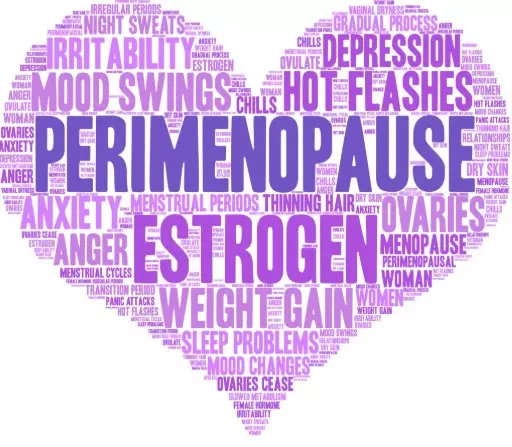
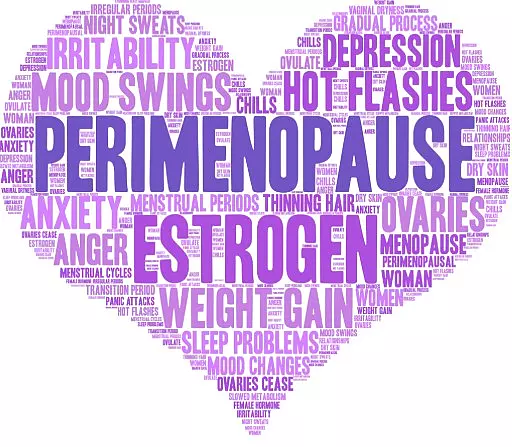
Perimenopause is the transition leading up to menopause and can begin as early as your late 30s or early 40s. This stage can last anywhere from several years to over a decade as hormone levels fluctuate.
These fluctuations can create symptoms long before your periods become irregular.
Common Symptoms Are Real
Many women dismiss their symptoms because blood tests appear “normal” or they’re told they’re simply stressed.
Common symptoms include:
- Brain fog and difficulty concentrating
- Poor sleep or waking during the night
- Night sweats and hot flushes
- Increased anxiety or low mood
- Fatigue despite adequate rest
- Reduced motivation
- Weight gain, particularly around the abdomen
- Reduced recovery from exercise
- Joint aches and stiffness
- Changes in libido
These symptoms aren’t imagined, and they aren’t a sign of weakness. They’re often linked to changing hormone levels affecting the brain, nervous system, metabolism and many other systems throughout the body.
Why Strength Training Matters More Than Ever
One of the strongest messages from the discussion was that muscle is one of the greatest predictors of healthy ageing.
As oestrogen declines, women naturally begin losing muscle mass and bone density. This can increase the risk of osteoporosis, falls, injuries and reduced independence later in life.
Strength training becomes one of the most powerful tools available to help:
- Preserve lean muscle
- Maintain bone density
- Improve insulin sensitivity
- Support a healthy metabolism
- Reduce injury risk
- Improve confidence and everyday function
At Vision PT Bangor, this is one of the reasons resistance training forms such an important part of our coaching—not just for fat loss, but for long-term health.
Nutrition Still Matters—but It May Need to Evolve
Many women become frustrated because the strategies that worked in their 20s and 30s suddenly stop producing the same results.
Hormonal changes can influence appetite, recovery, body composition and where fat is stored.
Rather than chasing restrictive diets, the focus should shift towards:
- Eating adequate protein to preserve muscle
- Prioritising whole, nutrient-dense foods
- Supporting recovery with quality sleep
- Remaining physically active most days
- Building sustainable habits rather than relying on quick fixes
Consistency almost always outperforms perfection.
Hormone Replacement Therapy: Separating Fact From Fiction
Hormone Replacement Therapy (HRT), also known as Menopausal Hormone Therapy (MHT) in Australia, has been surrounded by confusion for many years.
Current evidence suggests that for many women, when prescribed appropriately and started at the right time, hormone therapy can be a safe and effective treatment for troublesome menopausal symptoms.
It isn’t suitable for everyone, and treatment should always be discussed with your GP or specialist, taking into account your individual medical history and risk factors.
The important message is that women deserve accurate, up-to-date information so they can make informed decisions—not decisions based on outdated myths.
Trust What Your Body Is Telling You
Perhaps the most powerful message from the podcast was this:
If you feel different, don’t ignore it.
Too many women are told that their symptoms are “just stress,” “part of getting older,” or that everything looks normal because routine blood tests don’t show anything concerning.
You know your body better than anyone else.
If something doesn’t feel right, continue asking questions, seek a second opinion if necessary, and advocate for your health.
You’re Not Alone
At Vision PT Bangor, we work with many women navigating perimenopause and menopause. We know that success isn’t always about eating less or training harder—it’s about understanding what your body is going through and adapting your approach accordingly.
Exercise, nutrition, sleep, stress management and medical support all play important roles in helping women feel stronger, healthier and more like themselves again.
Knowledge is empowering, and understanding these hormonal changes allows you to work with your body instead of constantly feeling like you’re fighting against it.
Because feeling healthy isn’t just about losing weight—it’s about having the energy, strength and confidence to enjoy every stage of life.