While a healthy diet and consistent exercise routine is still the foundation of wellness success, Iron is a critical nutrient required by the body which many people don’t realize the supportive effect it can actually have on your health and fitness goals. Recovering after a workout is crucial. If you suffer from fatigue, lethargy or frequent infections and reduced resistance to colds, it may surprise you this can often be caused by iron deficiency. This can easily be remedied by modifying your diet to increase your iron intake. As we know, it all starts with what we eat as health starts from the inside.
Below are some tips on how to increase iron intake with a few tweaks to your diet.
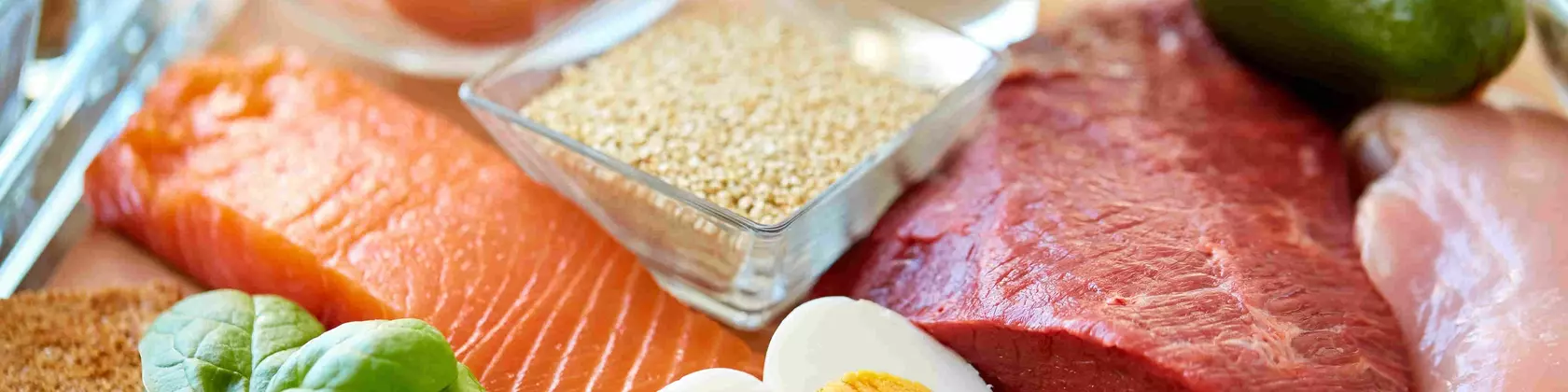
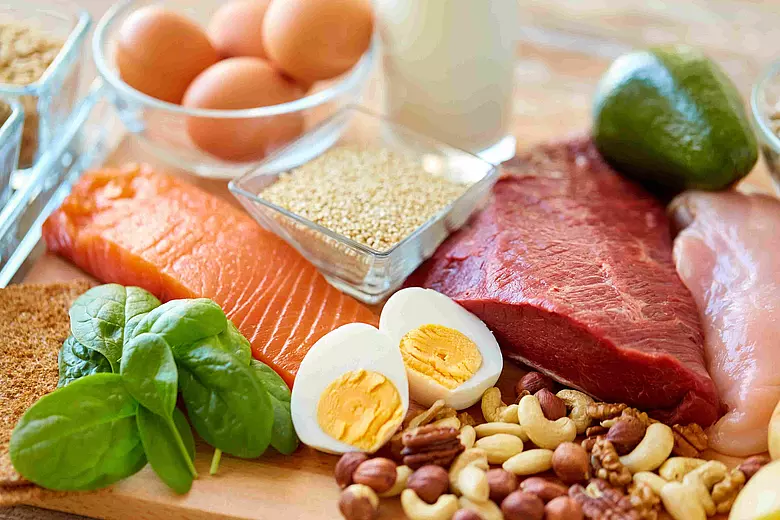
- Include iron-rich foods at each meal or when you foods like red meat and eggs are rich sources of iron, but you can also boost your iron levels with plant-based iron foods. These include: White beans, Green lentils, Spinach, Red kidney beans, Tofu , Quinoa, Mushrooms, Wholegrain bread, Pumpkin seeds, Oats, Dried apricots, Chia seeds and fortified cereals.
- Eat iron rich foods with a source of Vitamin C. Did you know that Vitamin C can boost iron absorption by up to 50 percent! Vitamin C rich foods include citrus fruits, mangoes, berries, kiwi fruits, pineapples, papayas, capsicum and tomatoes.
- Avoid iron blockers with your iron rich foods. Iron blockers are compounds that inhibit iron absorption. They include coffee, tea, unprocessed bran and calcium. Space these about 15minutes from your iron rich foods. It is better to drink tea and coffee between meals, rather than with your meals. The tannin in tea, and to lesser extent coffee, reduces the amount of iron we can use from food.
Remember, you need extra iron if you exercise strenuously and often. Have your iron levels checked regularly to ensure your diet is balanced and varied. Studies women on restricted or low-calorie diets generally lack getting enough of their daily iron requirements. Lean red meat is relatively low in calories yet high in iron and protein, and can be included as part of an overall healthy and balanced diet.