
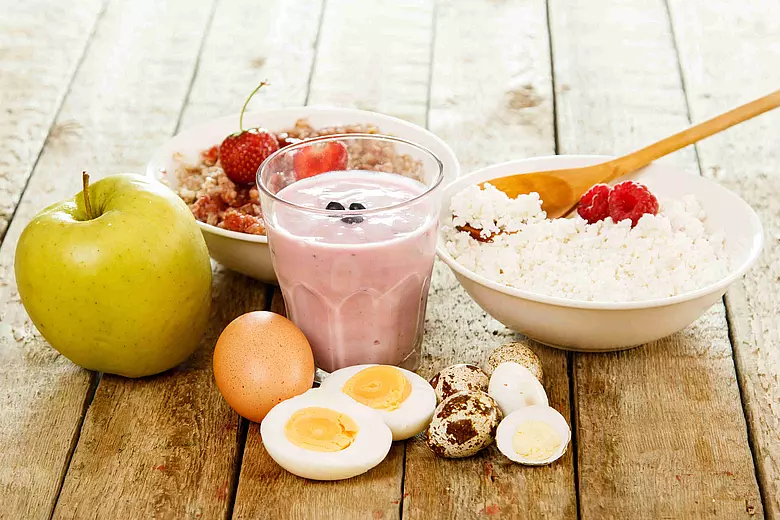
Overview: Pre Workout Nutrition
Pre-workout nutrition is all about preparing your body to perform at its best. The main goals are to provide energy, support muscle function, and help you get the most out of your training session. A balanced diet and healthy diet, rich in complex carbohydrates, lean proteins, and adequate hydration, are foundational for optimal performance and overall health. Avoiding heavy, fatty, or high-fiber foods before exercise can also support better digestion and performance.
The right mix of macronutrients is key. Carbohydrates are especially important for fuelling your workout, as proper carb intake helps maintain glycogen stores and supports performance during longer or high-intensity sessions. Protein helps with muscle repair and growth, while a small amount of healthy fat can provide sustained energy.
Finally, the timing of your meal is an important aspect of pre-exercise nutrition because it ensures you have enough nutrients and energy for your workout.
This guide is for anyone looking to maximize workout performance through nutrition, whether you're a beginner or experienced athlete. Proper pre-workout nutrition can help you train harder, recover faster, and achieve your fitness goals.
In this article, we will explore key topics including:
- The ideal timing for pre-workout meals
- The best macronutrient composition for optimal energy and muscle support
- Hydration strategies to enhance performance
- Recommended foods and snacks for different workout timings
- The role and benefits of pre-workout supplements
- Common pre-workout nutrition mistakes to avoid
Whether you're new to fitness or who have been training for years, this guide will help you optimize your before workout food choices to maximize performance and recovery.
This guide is for anyone looking to maximize workout performance through nutrition, no matter where you are on your fitness journey. Proper pre-workout nutrition can help you train harder, recover faster, and achieve your fitness goals.
How To Eat Before A Workout
Tips for Pre Workout Meal Timing
- Advise experimenting with personal timing
- Recommend testing foods during training only
- Suggest tracking energy and performance responses
Pre Workout Meal Timing
For optimal performance, we recommend eating a full meal 2 to 3 hours before your workout. Aim to consume a balanced meal containing carbohydrates, protein, and fats 2-3 hours before your workout.
If you’re short on time, a small snack 30 to 60 minutes before exercise can help top up your energy. Focus on easily digestible, simple carbohydrates for quick energy before a workout.
For workouts starting within 30 minutes, options like a banana or a slice of white toast with honey are ideal. Eating too close to a workout can lead to feelings of fullness or discomfort during exercise.
It's best to avoid heavy, fatty, or high-fiber foods before a workout as they can cause discomfort.
Best Pre Workout Foods And Fuel
For quick energy before your session, opt for easily digestible foods like bananas, white bread, or a fruit smoothie. These options are rich in simple carbohydrates, which help increase blood sugar levels and provide immediate energy. Consuming carbs, especially pre workout carbs such as fruit smoothies, is particularly beneficial for high intensity workouts, as they deliver fast-acting glucose to fuel your exercise and prevent energy dips.
For longer-lasting energy, choose complex carbohydrates like oats, brown rice, or wholegrain bread. Carbohydrates are the primary source of energy for your body during most types of high-intensity exercise and are especially important for physically active individuals who engage in endurance activities. Complex carbs release energy slowly, helping you power through your workout without crashing.
Include a moderate amount of lean protein, such as chicken breast, Greek yoghurt, or eggs, to support muscle repair and growth. Properly fueled muscles can work harder and longer, improving physical performance and preventing premature fatigue.
Limit fats close to your workout start, as they take longer to digest and may cause discomfort. Consuming carbs before exercising ensures your glycogen stores are full, providing sustained energy throughout your session.
Brown Rice And Other Complex Carbs
- explain brown rice digestion and sustained energy
- compare brown rice to white rice for lasting fuel
Protein Options
Whey protein powder is a fast and convenient option for those on the go. Protein shakes are a quick and effective way to prepare for a workout, providing essential nutrients such as amino acids and branched chain amino acids, which are the building blocks of muscle. These nutrients help support muscle synthesis, prevent muscle breakdown, and promote recovery .For those looking for a reliable and high-quality protein powder, Vision Personal Training proudly partners with True Protein, an official provider known for their premium whey protein powders. True Protein offers a range of options designed to support muscle growth and recovery, making it an excellent choice to complement your pre-workout nutrition and fitness goals.
Eggs are a solid protein option, whether you prefer them boiled, scrambled, or as an omelette. Omelettes made with whole eggs or egg whites provide all nine essential amino acids, which are crucial for muscle growth and repair. These essential amino acids serve as the fundamental building blocks your body needs for muscle synthesis and athletic performance.
Greek yogurt is a versatile protein source that can be paired with fruit or granola. Eating protein prior to exercise has been shown to increase muscle protein synthesis, and incorporating protein into your pre-workout meal helps support muscle repair and growth.
Pre Workout Meals: Sample Meal Plans
2-3 Hours Before Workout: Balanced Meal Example
A great meal option 2-3 hours before your workout is grilled chicken breast, brown rice, and steamed vegetables. This combination provides lean protein and complex carbohydrates, making it an ideal balanced meal for pre-workout consumption. The protein supports muscle repair, while the complex carbs offer sustained energy.
1 Hour Before Workout: Carb-Focused Snack
If you’re closer to your workout, opt for a snack that’s higher in carbohydrates. A banana with a slice of wholegrain toast is a quick and easy option. Alternatively, apple wedges with peanut butter provide a tasty combination of slow-digesting carbohydrates and protein, helping to fuel your session and keep you satisfied.
1 Hour Before Workout: Protein Option
For those who prefer a protein-rich snack, Greek yogurt with berries is a great choice. It delivers both protein and carbohydrates to support energy and muscle function. Homemade protein bars are also a convenient, customizable, and nutritious pre-workout snack option, allowing you to control the ingredients and macronutrient content to suit your needs.
Under 30 Minutes Before Workout: Liquid Option
If you’re short on time, a liquid option like a fruit smoothie with yogurt is easy to digest and provides quick energy. Smoothies with fruit and yogurt, as well as oatmeal with protein powder, are both good choices for pre-workout nutrition, offering a balance of carbs and protein to fuel your workout.
Prevent Muscle Breakdown And Support Muscle Growth
Preventing Muscle Breakdown and Supporting Growth
- Explain muscle breakdown during fasted exercise
- Recommend protein intake to prevent muscle breakdown
- Outline tactics to promote muscle growth after workouts
Pre Workout Fuel: Hydration And Supplements
It’s important to drink water two hours before exercise to ensure you’re well hydrated. Aim to drink about 500ml (16–20 oz) of water 2–3 hours before starting exercise, and it is recommended to consume about 2 cups of water in the 2 hours before exercise. Hydration is critical; drink water throughout the hours leading up to your workout, and remember that drinking water throughout the day is essential for maintaining hydration levels. Staying hydrated is important for optimal performance during workouts, as dehydration can significantly decrease performance during exercise—even mild dehydration has been shown to impair both endurance and strength performance. Consuming a beverage or snack that contains sodium may help retain fluids before exercise.
Some people also use pre workout supplements to enhance exercise performance. Pre workout supplements often contain ingredients like caffeine, beta-alanine, and creatine, which can enhance energy levels, focus, and overall workout performance. Caffeine is a stimulant and a proven performance enhancer for most people during exercise. Creatine is commonly used for long-term strength gains. For those seeking high-quality pre workout and creatine supplementation, Vision Personal Training proudly partners with True Protein, our preferred provider known for premium products designed to support muscle growth, recovery, and enhanced performance.
Supplements can offer significant benefits, but they also come with potential drawbacks. Some pre workout supplements can cause side effects such as jitters, anxiety, or digestive discomfort. Over-reliance on supplements can sometimes lead to neglecting whole foods, which provide a broader spectrum of nutrients. Additionally, the supplement industry is not as tightly regulated as pharmaceuticals, leading to variability in product quality.
Avoid These Pre Workout Foods
Foods to Avoid Before a Workout
- Advise against large high-fat meals just before workouts
- Advise avoiding high-fiber meals immediately pre-exercise
- Warn against trying new foods before important sessions
Quick Snack Ideas: Best Foods Under 60 Minutes
Quick Pre Workout Snack Ideas
- Suggest banana as a 30-minute snack
- Suggest rice cakes for light carbohydrate boost
- Suggest peanut butter for added protein calories
Pre Workout Nutrition for Different Workouts
Pre workout nutrition isn’t one-size-fits-all—what you eat before a workout should reflect the type of exercise you’re planning. Tailoring your pre workout meal or snack to your activity can help you maximize energy, support muscle growth, and enhance performance.
For high intensity exercise, such as interval training or circuit classes, your body relies heavily on carbohydrates for quick and sustained energy. Choosing pre workout foods like brown rice, sweet potato, or whole grain bread helps top up your glycogen stores, giving you the fuel needed to power through intense workouts and prevent muscle breakdown. Pairing these complex carbohydrates with a source of lean protein, such as chicken, fish, or a scoop of protein powder, can further support muscle recovery and muscle protein synthesis, setting the stage for muscle growth.
Endurance exercise, like long-distance running or cycling, calls for a slightly different approach. Here, a pre workout meal rich in complex carbohydrates—think whole grain bread or oatmeal—consumed 2-3 hours before your session, helps replenish glycogen and provides sustained energy. Adding healthy fats, such as a handful of nuts or some dried fruit, to your pre workout snack can offer significant benefits by providing an extra energy source for longer workout sessions.
If you’re focusing on strength training or resistance training, a balanced meal that includes carbohydrates, high quality protein, and healthy fats about 1-2 hours before your workout is ideal. This combination supports protein synthesis, helps build and maintain muscle mass, and ensures you have enough energy for every rep, which is especially important if you’re aiming to gain muscle in a calorie deficit.
Timing is also key. For early morning workouts, when you may not have time for a full meal, a light pre workout snack like a fruit smoothie, protein bar, or a piece of fresh fruit 30-60 minutes before exercise can help boost energy levels without weighing you down. For longer or later sessions, a balanced meal—such as grilled chicken, brown rice, and steamed vegetables—2-3 hours before your workout can help sustain energy and support muscle function throughout.
Don’t forget about pre workout hydration. Drinking water or a sports drink before, during, and after your workout helps maintain fluid balance, supports optimal performance, and can prevent muscle cramps, especially during high intensity or endurance exercise, and accessing guidance and accountability through a supportive personal training studio environment can make it easier to build these habits consistently. .
When choosing your pre workout foods, opt for nutritious options that are easy to digest and provide a steady release of energy. Bananas, apples, Greek yogurt with berries, or a small trail mix are all great pre workout snack ideas. However, it’s best to avoid high-fat or high-fiber foods right before exercise, as they can cause digestive discomfort and impact your performance.
Ultimately, the best pre workout nutrition plan is one that fits your body, your goals, and your schedule. Experiment with different foods and timing to find what works best for you. With the right pre workout meal and hydration strategy, you’ll be well-fuelled to get the most out of every workout. If you need any further information or personalized guidance, please connect with one of our trainers across our studios who can provide expert advice tailored to your current training regime.