What is Osteoporosis? It causes weakening of the bones making them easier to break due to a decrease in density. The common bones broken are hip, spine and wrist.
Osteoporosis can affect men and women. Post menopause women are at a higher risk. Symptoms include:
- Breaking a bone easier than expected,
- Height loss / stooping,
- Back pain.
Potential causes can include: Bones are repeatedly broken done and new bone made to replace it. During osteoporosis new bone is not made making the bone brittle. At around 30 our bones are at peak density. The process of remodelling slows down after this. What you do before this age does play apart in the future and if you have been physically active you can be less likely to develop osteoporosis. There are a few causes that we can control and a few we can't. We will start looking at the ones we can't and then discuss the we can looking at lifestyle.
Out of our Control:
- Age over 70.
- Post menopause females / early menopause.
- Fallen in the past.
- Family history.
- Medical conditions - celiac, kidney/liver disease, cancer, rheumatoid arthritis.
What we can Control:
- Physical activity.
- Muscle mass.
- Body weight.
- Smoking.
- High alcohol.
- Not enough protein and calcium.
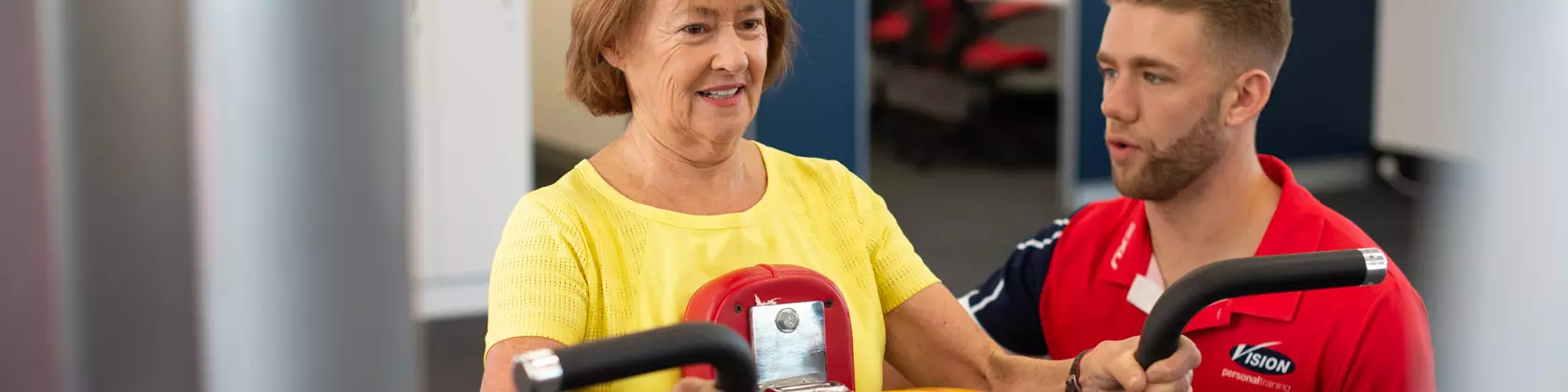
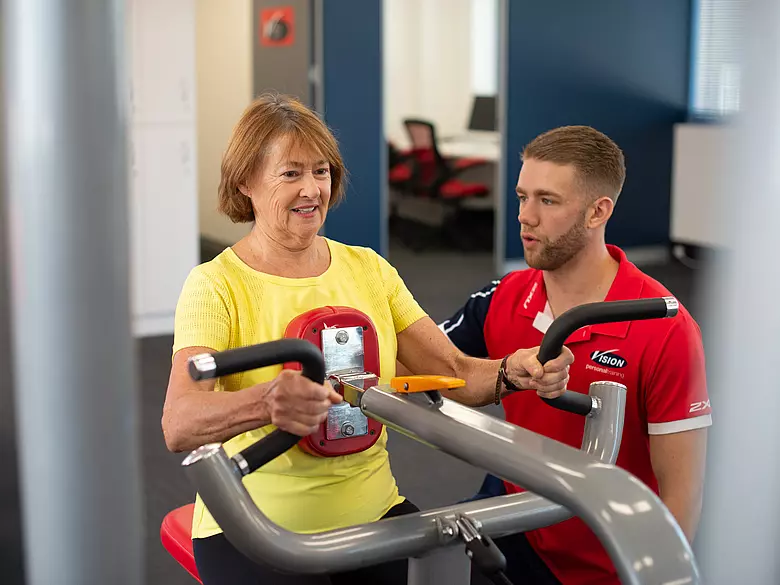
Physical active is a huge thing we can control to help prevent osteoporosis. Strength training can build muscle and strengthen bones. Strength training has been shown to help the bones become denser helping fragile bones repair and be less susceptible to breaking. Starting strength training early in life is definitely a benefit but starting at anytime is better than not starting.
Always consult a medical professional if unsure and want to find out if you are at risk.